
Rat Diet 101: Guide to Rat Nutrition
With so many different options and opinions flooding the internet, deciding what to feed your pet rats can be a little overwhelming. Here I will simplify your rats’ dietary needs so you can feel confident your rats are getting all their nutritional needs met.
The Importance of Fortified Rat Food
The easiest way to ensure that your pet rats get their daily nutrients is by feeding them good old-fashioned food pellets. That being said, you want to make sure it is specifically curated for rats. Food designed for rabbits or hamsters simply won’t give them the nutrients they need.
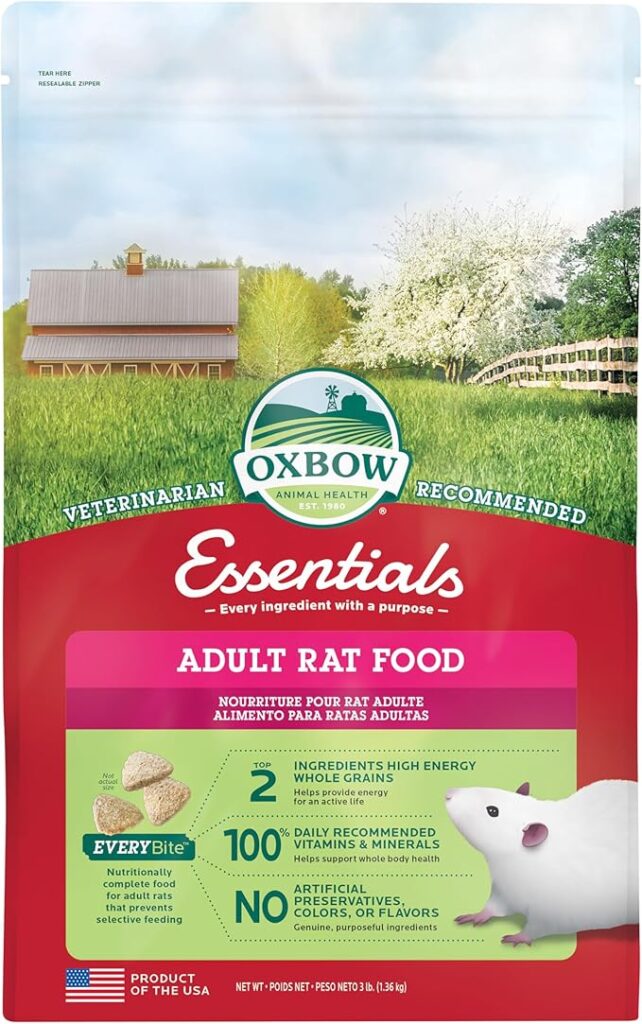
Because rats are prone to obesity, it is important to offer pellets, as this will help prevent selective eating habits.
If we are given a choice between a head of broccoli and a breadstick, most of us would naturally go for the latter. Rats are no different and will happily choose the high-calorie and more fattening choice if given the option. Remember…a smart rat isn’t necessarily a health conscious one.
Understanding Ingredients in Fortified Rat Food
If you want to understand what truly goes into your rats diet, always look at the ingredients. Specifically, the first 8 ingredients. Don’t just assume that the first 3 are what make up the majority of that particular rat pellet diet. Ultimately ALL ingredients regardless of the inclusion amount, have an impact on your rat’s health.
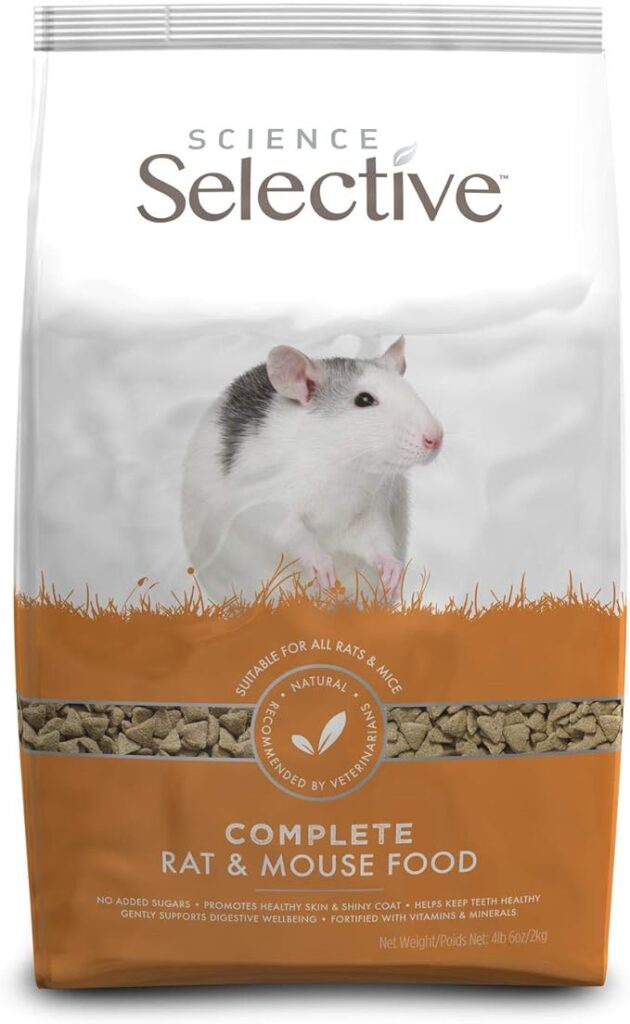
So, what are we looking for in the ingredients? Both macro and micronutrients. Remember “macro”, means more than “micro”. Here is a breakdown of both nutrients and their importance:
Macronutrients
Macronutrients play very significant roles in the health of our rats. These are needed in larger quantities because they contribute to growth, energy levels and overall body functions. I will explain the role of the macronutrients, and what ingredients they are found in within rat pellet food:
- Proteins: These are a necessity for producing enzymes, hormones and other chemicals that are vital for growth, repair and maintenance of tissues. •Pellet ingredient – soy, grains, and sometimes animal based products.
- Fats: Providing a concentrated source of energy, fats play an important role in the absorption of fat-soluble vitamins (A. D. E. and K). and are crucial for providing healthy skin and beautiful fur. •Pellet Ingredient – Vegetable oils or seeds.
- Carbohydrates: Carbs are sugar molecules, after being broken down into glucose, they provide the main source of energy for their body’s cells.
•Pellet ingredient – Grains like corn, wheat and oats.
Micronutrients
While required in smaller quantities, micronutrients are still just as important and equally essential to providing a balanced diet for your pet rats. What are micronutrients? They are both vitamins and minerals that are required for the body to function properly.
- Vitamins: Important for multiple metabolic processes such as vision, immune function, energy metabolism and the nervous system.
Pellet Ingredient – Fish oil, liver meal, carrot powder, grains, dehydrated fruits, vegetable oils, alfalfa, leafy greens, sunlight exposed plant sources. - Minerals: A few important minerals include calcium and phosphorus which are necessary for bone health. Iron is also important for producing blood and zinc supports a rats immune system and wound healing.
Pellet ingredient – Calcium carbonate, alfalfa meal, monocalcium phosphate, fish meal, meat meal, ferrous sulfate, green vegetables, zinc oxide, whole grains, nuts and seeds, selenium yeast, copper sulfate.
The Importance of Variety in a Rat’s Diet
We know ourselves that eating the same thing every day gets monotonous, the same goes for your pet rats. While pellets should be the foundation of their diet, introducing a variety of additional foods can provide the diversity they would have naturally experienced in the wild. This keeps their diet interesting and allows them to receive a broader range of nutrients, which ultimately contributes to their overall health and results in happy healthy rats.

Balancing High-Fat Foods with Healthy Options
As previously mentioned, rats tend to choose high fat, calorie-dense options over the healthy ones when given a choice. Therefore, these foods should be limited. A significant portion of the supplementary foods should consist of grains, proteins, fats, and fruits. I have outlined some excellent choices below, organized into categories with daily portion sizes.
Fats (2-3 Times per Week)
Serving Size: 0.5 tsp
Vegetables and Greens (Daily)
Serving Size: 1-2 tsp
Fruits (2-3 Times per Week)
Serving Size: < 1 tsp
Proteins (2-3 Times per Week)
Serving Size: 0.5-1 tsp
Grains (Daily)
Serving Size: 0.5-1 tsp
A diversified diet can be tricky in the beginning. Some rats may be more prone to neophobia than others, meaning that they may avoid new foods. However, with a little patience and experimenting, finding the perfect combination of your rats’ favorite healthy foods is an exhilarating experience.
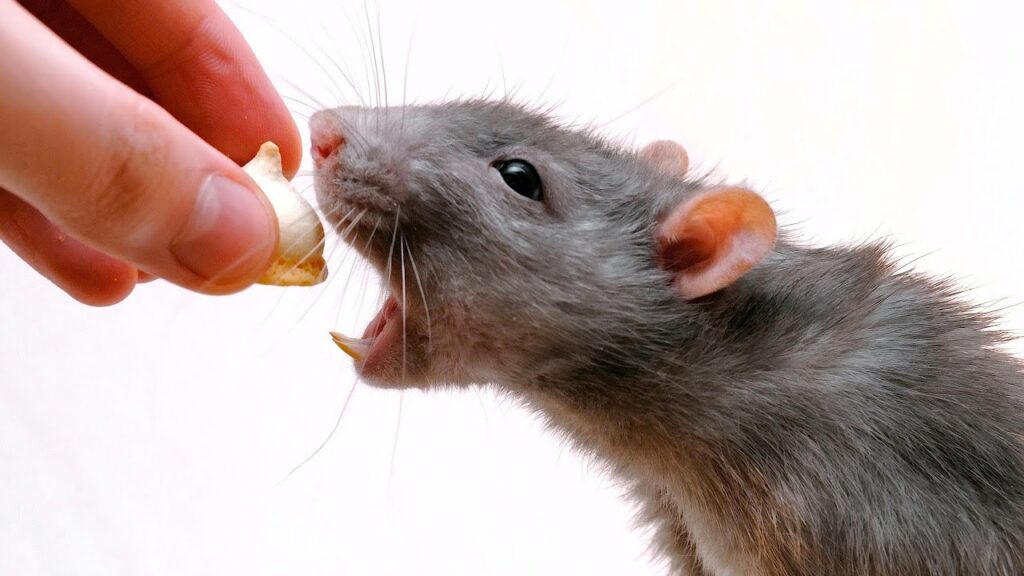
Use these tips when introducing new foods to your pet rats:
- Introduce new foods slowly
- Offer new foods in small amounts
- Place in common feeding areas or mixed with their regular food